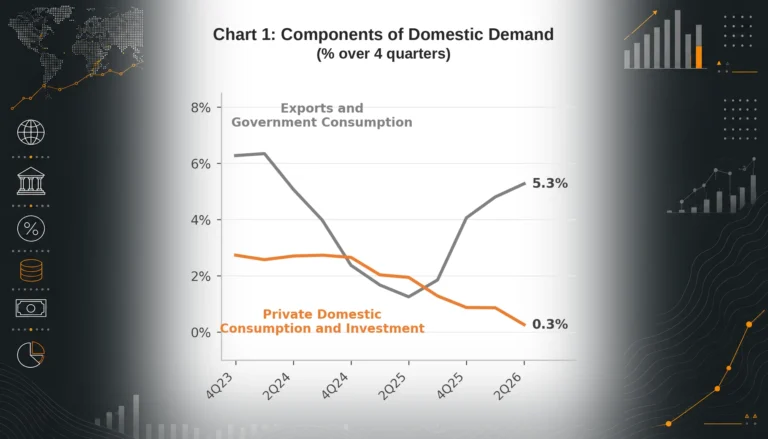
2027 Will Be a Very Difficult Year
The slowdown in domestic demand is already under way and tends to deepen in 2027, because the factors that drive it (high indebtedness, restrictive interest rates, a polarized...
Read more



The slowdown in domestic demand is already under way and tends to deepen in 2027, because the factors that drive it (high indebtedness, restrictive interest rates, a polarized...
Read more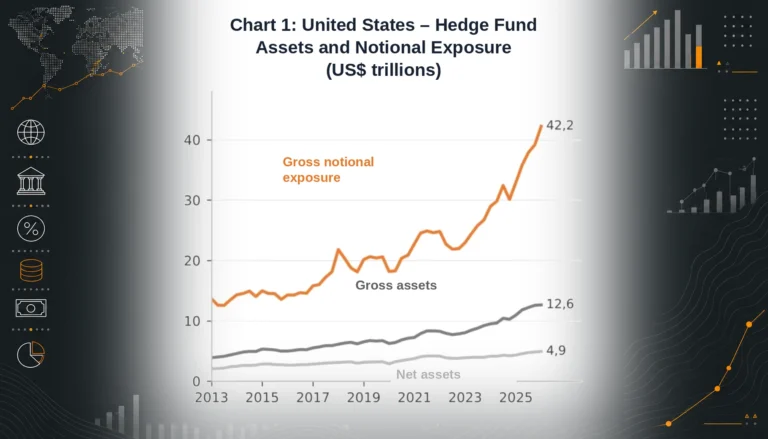
The combination of high public debt and high interest rates, prevalent across major economies, tends to raise the probability of financial instability. The risk lies not only in...
Read moreanalysis - Employment and Income Snapshot 25.09.2026Baixar
Read more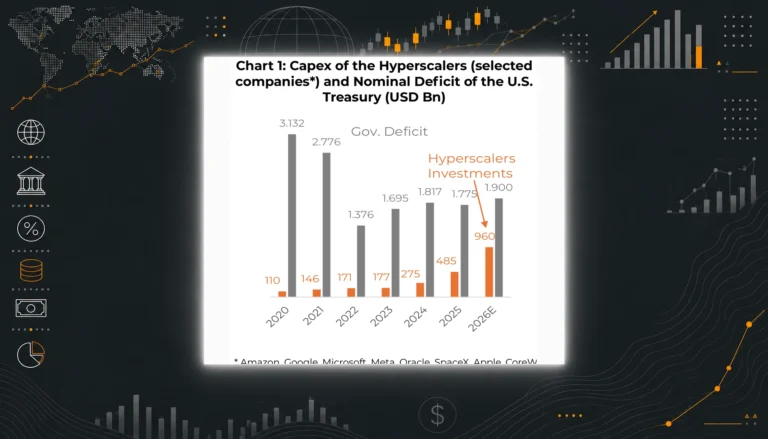
Just 10 of the most relevant companies among the so-called hyperscalers in the United States are set to invest close to a total of USD 1 trillion in...
Read more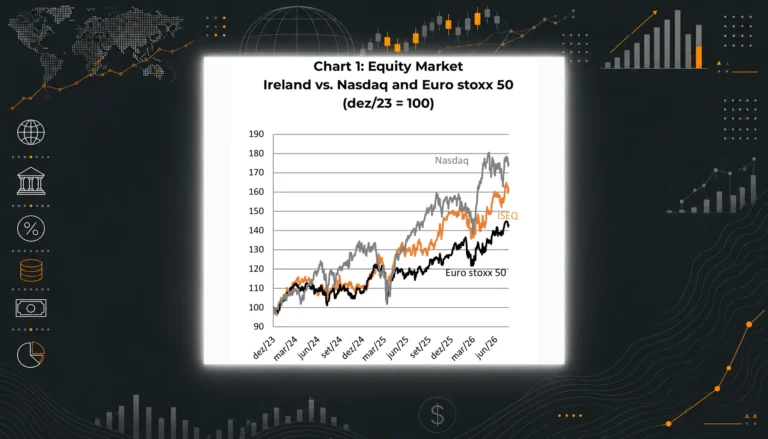
Markets appear increasingly uneasy about the impact of hyperscalers’ outsized demand for resources on long-term interest rates. The challenge seems more significant in the United States than in...
Read more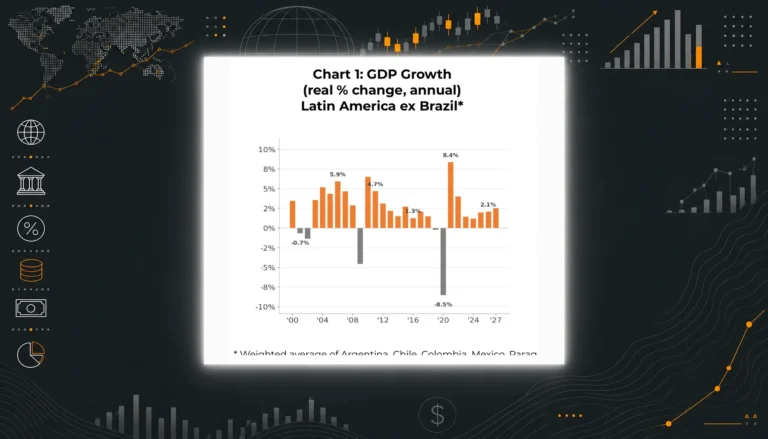
In this report we present assessments and outlooks for the economies of Argentina, Colombia, Chile, Mexico, Paraguay and Peru. For a financial market that is mostly focused on...
Read more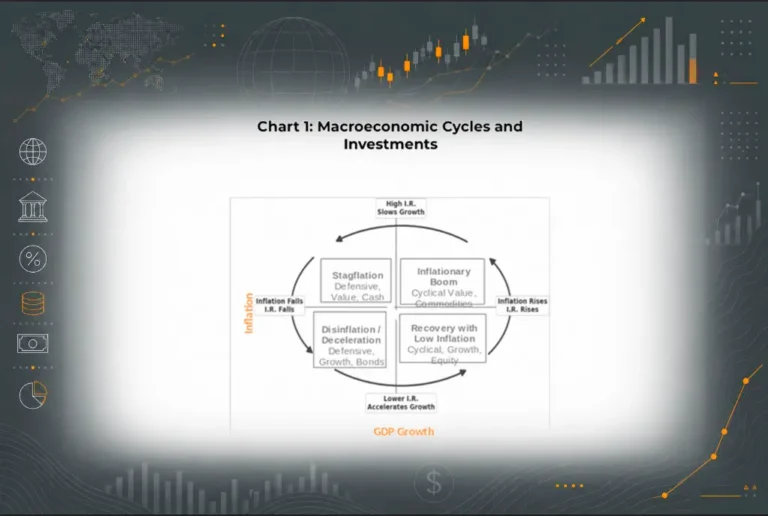
The world's major economies are no longer moving through a synchronized business cycle. Instead, structural forces, AI-driven innovation, and oil price shocks are pushing Brazil, the United States,...
Read more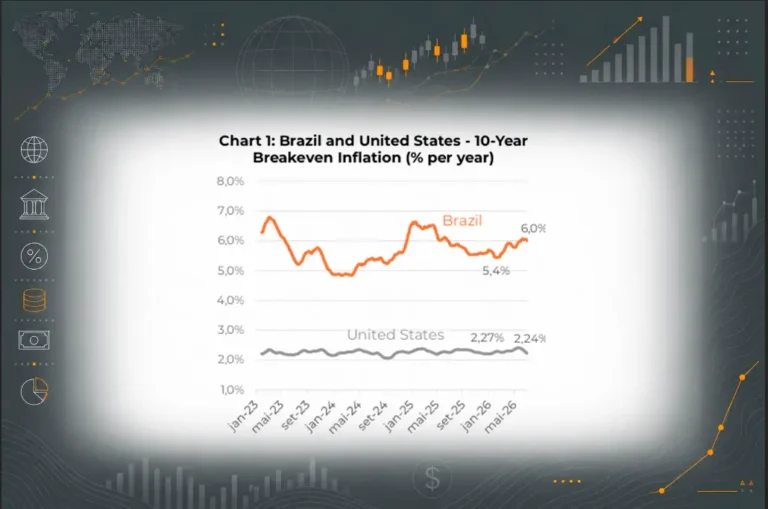
A persistently expansionary fiscal stance, a tighter output gap, and, above all, a monetary policy framework characterized by lower credibility help explain why 10-year inflation expectations have risen...
Read more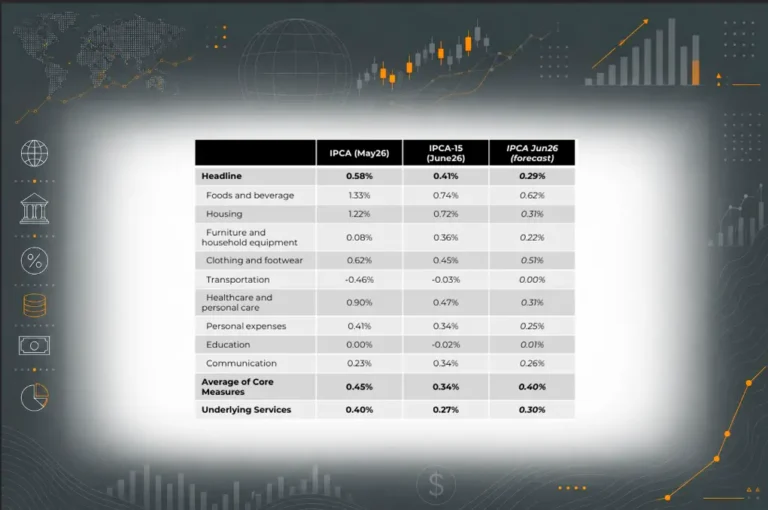
Consumer inflation is expected to slow to 0.29% in June, mainly reflecting easing food inflation and the continued decline in fuel prices. Despite the short-term improvement, twelve-month inflation...
Read more