



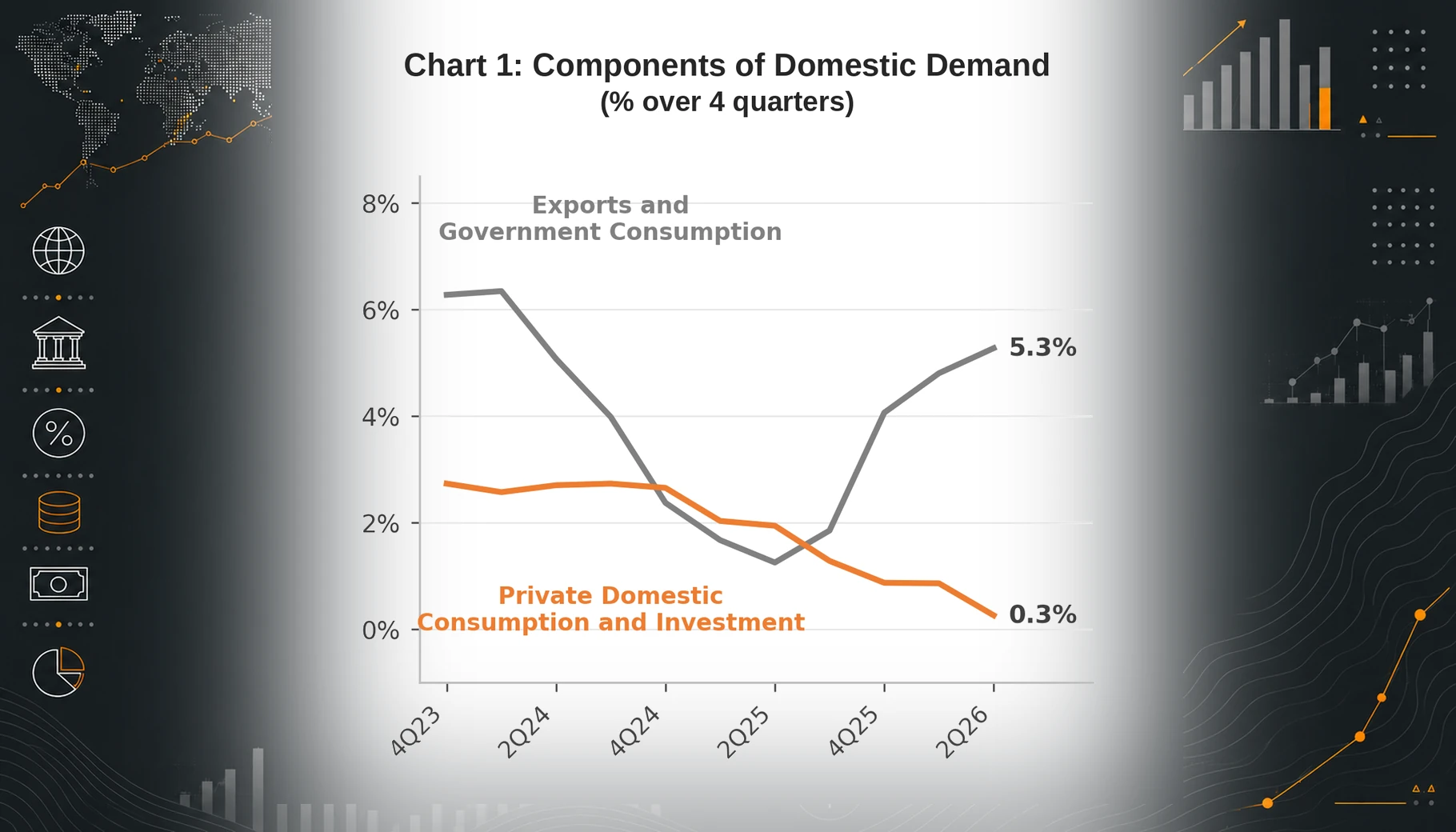
2027 Will Be a Very Difficult Year
The slowdown in domestic demand is already under way and tends to deepen in 2027. Cyclical sectors, credit, interest rates, the fiscal adjustment and the labor market all point to much weaker domestic demand next year.
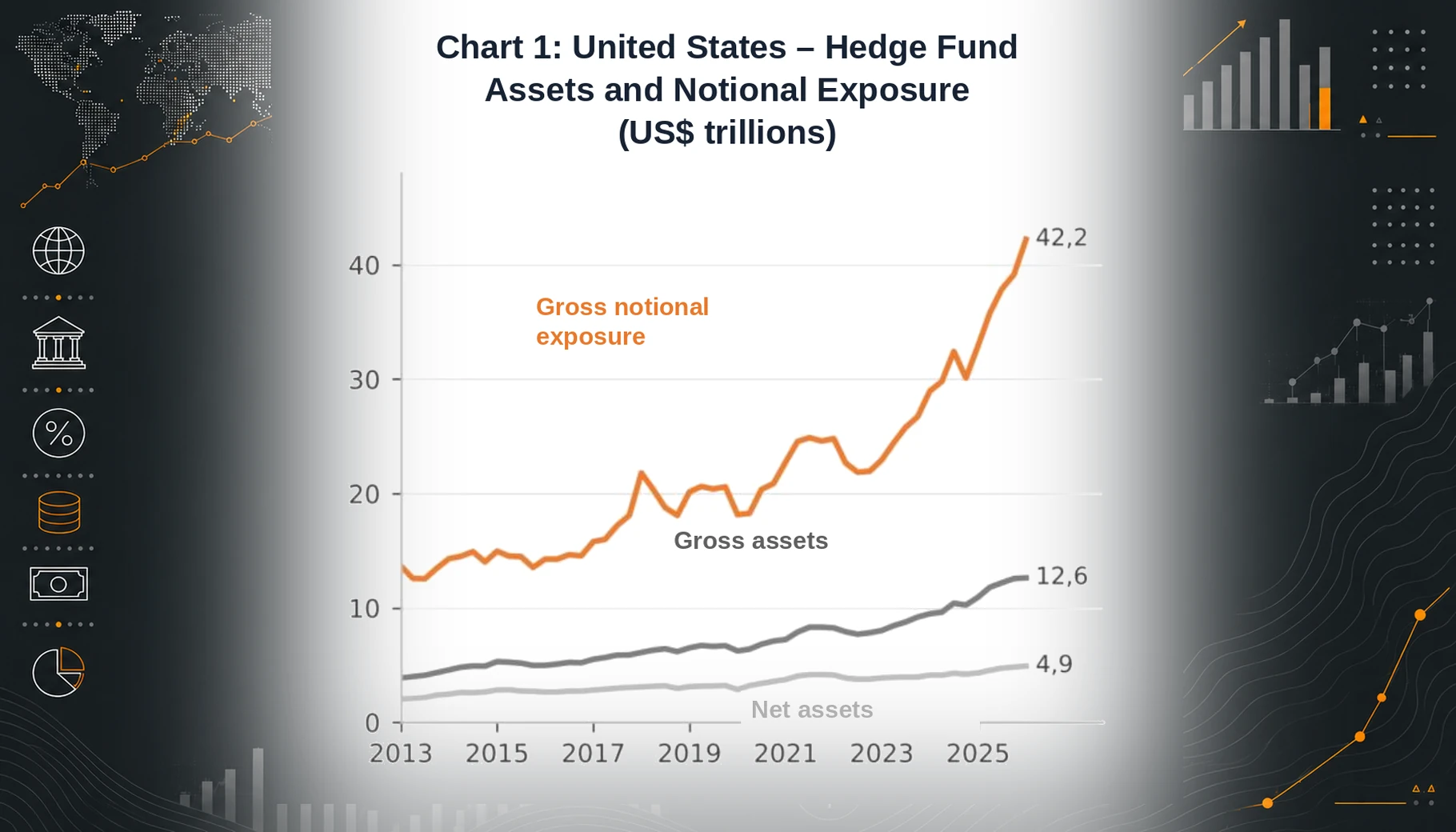
The Fiscal Abyss and the Subprime of Interest Rates
The combination of high public debt and high interest rates, prevalent across major economies, tends to raise the probability of financial instability. The risk lies not only in public indebtedness itself, but in who finances those securities, with how much leverage and under what collateral conditions. That is what the IMF pointed to in its latest Financial Stability Report.
Employment and Income Across States and Municipalities: A Snapshot
The familiar national employment and income statistics for Brazil conceal an enormous dispersion and inequality across regions: states and capitals coexist with very different realities of employment, income, and informality, so that the isolated national rate offers a poorly representative reading of the regional diversity of the Brazilian labor market.
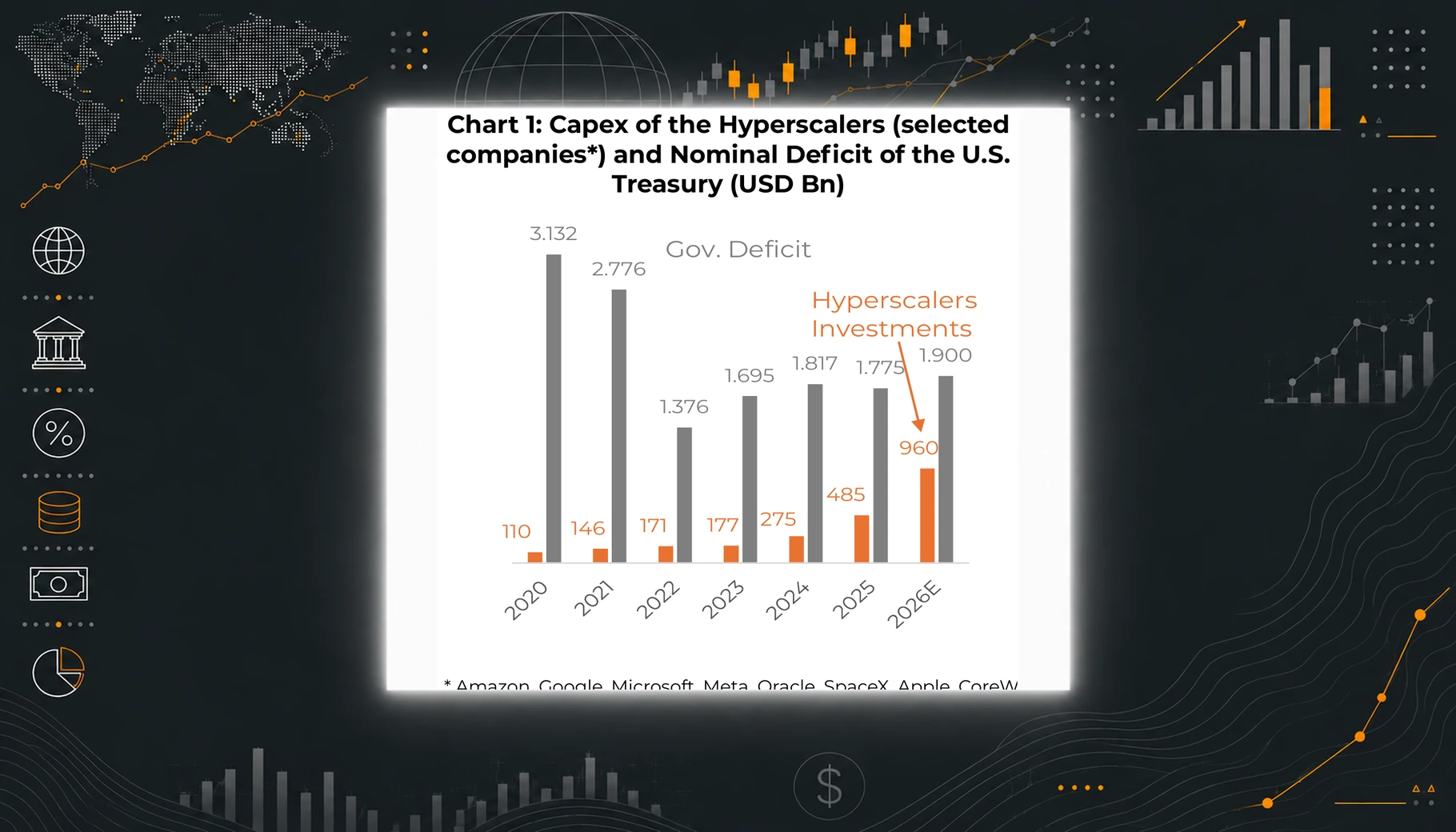
Hyperscalers: How Much Is Too Much?
| Just 10 of the most relevant companies among the so-called hyperscalers in the United States are set to invest close to a total of USD 1 trillion in 2026, up from a mere USD 100 billion in 2020 (chart 1). The Capex associated with the AI boom is competing for investors’ attention and is helping to put pressure on U.S. Treasury yields. To give a sense of magnitude, the ratio of Capex (of our sample) to the federal government’s financing needs jumps from 3% to 50% in 6 years (chart 2). Higher interest rates neither stem from a greater perception of risk nor are they causing a flight to safety. The market perceives a movement of healthy competition for resources that finances the expansion of productive capacity and will ultimately produce significant productivity gains in the coming years. |
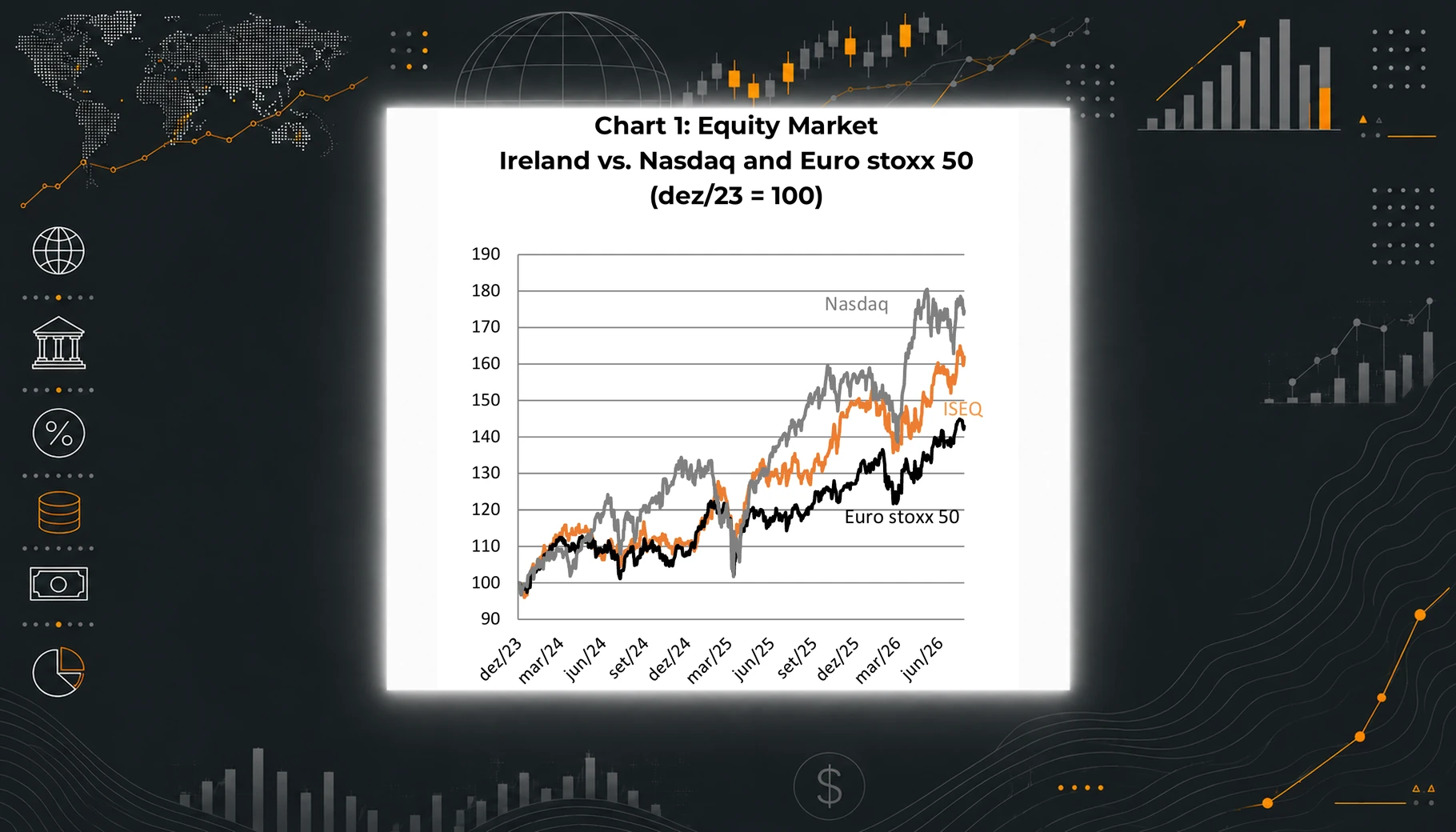
How AI Is Impacting Macroeconomics: The Cases of Taiwan, South Korea, Singapore, Ireland and the Netherlands.
Markets appear increasingly uneasy about the impact of hyperscalers’ outsized demand for resources on long-term interest rates. The challenge seems more significant in the United States than in Asia. It is also important to pay attention to mounting pressures on land and energy. See Pezco Economics’ report on the macroeconomic impact of AI in Taiwan, South Korea, Singapore, Ireland, and the Netherlands.
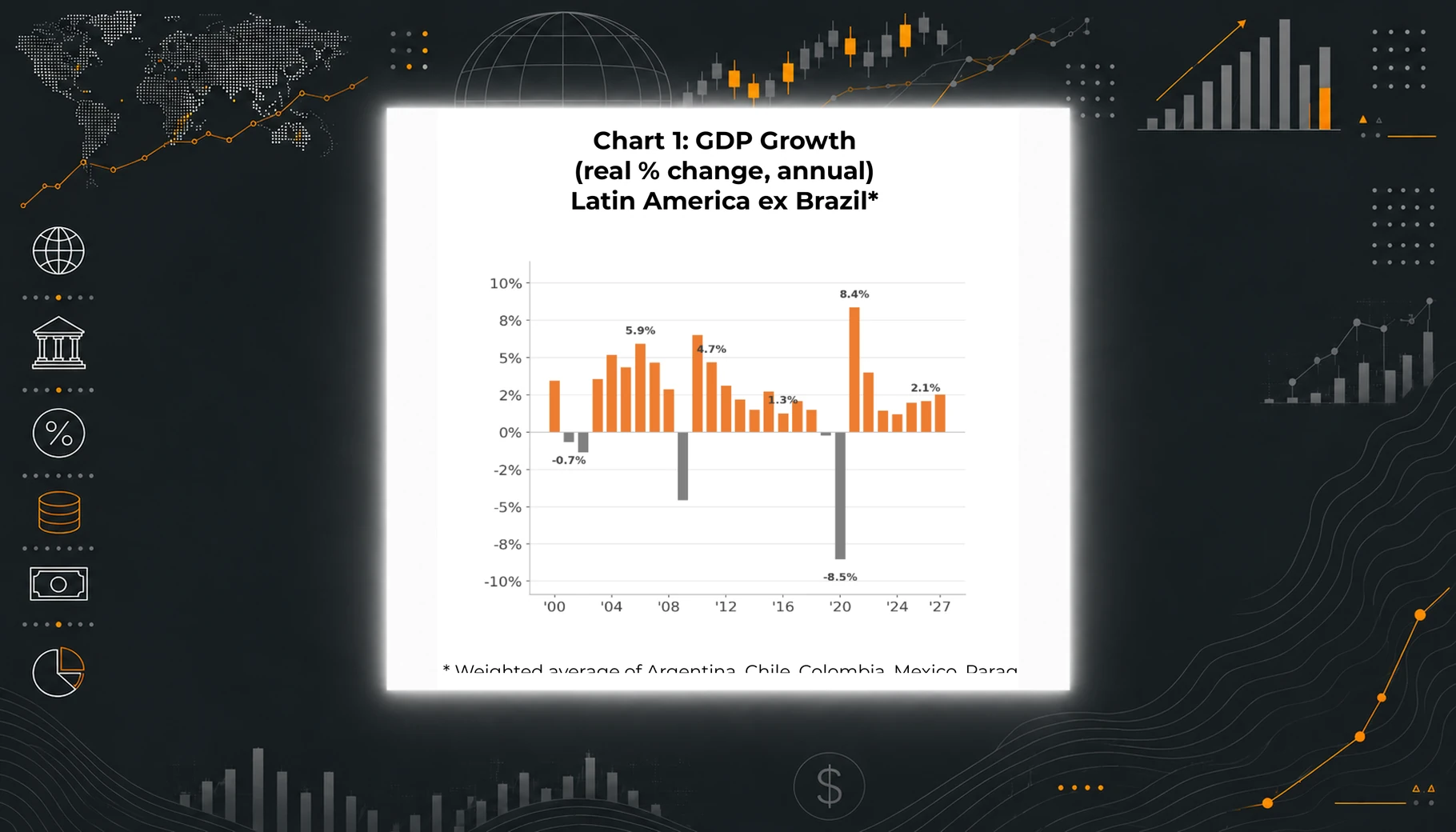
Latam Ex Brazil – A Favorable Outlook for the Years Ahead
| In this report we present assessments and outlooks for the economies of Argentina, Colombia, Chile, Mexico, Paraguay and Peru. For a financial market that is mostly focused on developed economies and AI themes, some diversification into Latin American emerging markets looks like a potentially interesting alternative. |
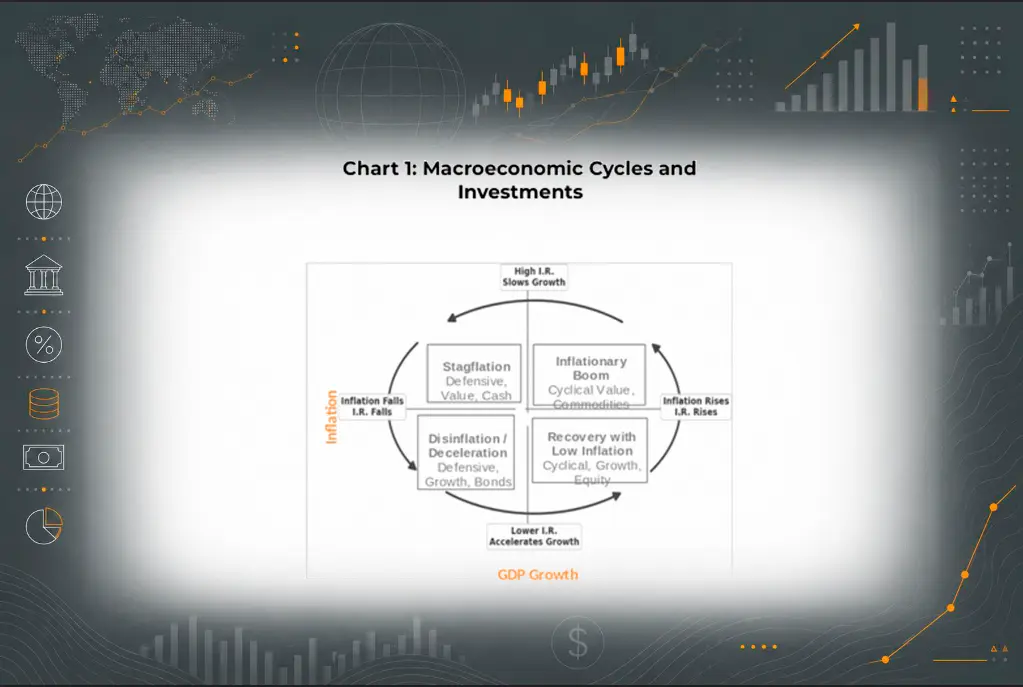
One World, Five Cycles: How Brazil, the U.S., Europe, China, and Japan Are Following Different Paths
https://pezco.com.br/wp-content/uploads/2026/07/260724_Cycles_EN_1.pdf

Oil Shock and Inflation: Brazil X US
https://pezco.com.br/wp-content/uploads/2026/07/260709-Oil-Schock-Brazil-x-USA.pdf


Trump at 500 days: Much Ado About (Almost) Nothing
https://pezco.com.br/wp-content/uploads/2026/06/260617-Trump500-ingles.pdf